
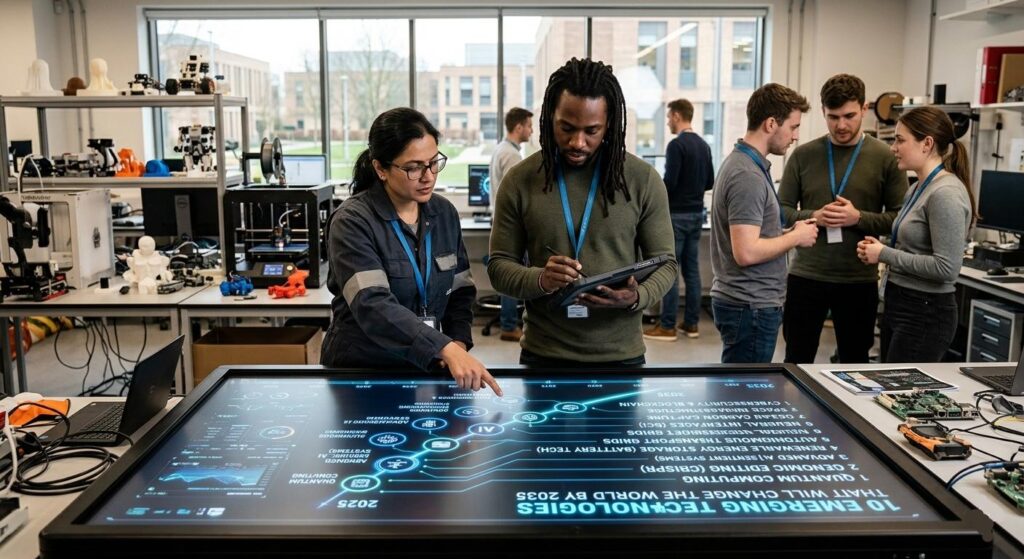
Science & Technology are evolving faster than ever before. Innovations that once sounded like science fiction are now becoming part of our everyday lives. From intelligent machines to revolutionary medical breakthroughs, emerging technologies are reshaping industries, economies, and human lifestyles.
Several emerging technologies are expected to transform the way we live, work, and communicate by 2035. Organizations such as NASA and companies like Google and Tesla are already investing billions of dollars in developing future technologies.
In this article, we will explore 10 emerging technologies that could dramatically change the world by 2035.
1. Artificial intelligence (AI)

Artificial Intelligence is one of the most powerful technologies shaping the future. It enables machines to perform tasks that normally require human intelligence, such as learning, reasoning, and decision-making.
How AI will change the world
Artificial Intelligence (AI) will change the world as:
- Smarter healthcare diagnosis
- Automated transportation systems
- Personalized education
- Intelligent digital assistants
Companies such as Google and Microsoft are leading the development of AI technologies.
By 2035, AI systems could assist doctors, engineers, and scientists in addressing some of humanity’s most significant challenges.
2. Quantum computing

Quantum Computing is a revolutionary form of computing that uses the principles of quantum physics to process information.
Unlike traditional computers, quantum computers can perform extremely complex calculations in seconds.
Potential benefits of quantum computing are:
- Faster drug discovery
- Advanced climate modeling
- Improved cybersecurity
- Solving complex scientific problems
Companies such as IBM and Google are investing heavily in this technology.
3. Biotechnology and Genetic Engineering

Biotechnology and genetic engineering are transforming healthcare and agriculture.
Scientists can now modify genes to prevent diseases and improve crop production.
One revolutionary tool is CRISPR gene editing, which allows scientists to edit DNA with incredible precision.
The following are possible impacts of biotechnology and genetic engineering by 2035:-
- Curing genetic diseases
- Longer human lifespan
- Stronger and more nutritious crops
- Personalized medicine
4. Renewable energy technology

As climate change becomes a global concern, renewable energy technologies are becoming increasingly important.
Technologies such as solar power, wind energy, and advanced battery systems are helping reduce dependence on fossil fuels.
Companies such as Tesla are developing advanced battery storage solutions that could enhance the reliability of renewable energy.
The following are the benefits of renewable energy technology:-
- Cleaner environment
- Reduced carbon emissions
- Sustainable energy supply
5. Space technology and exploration
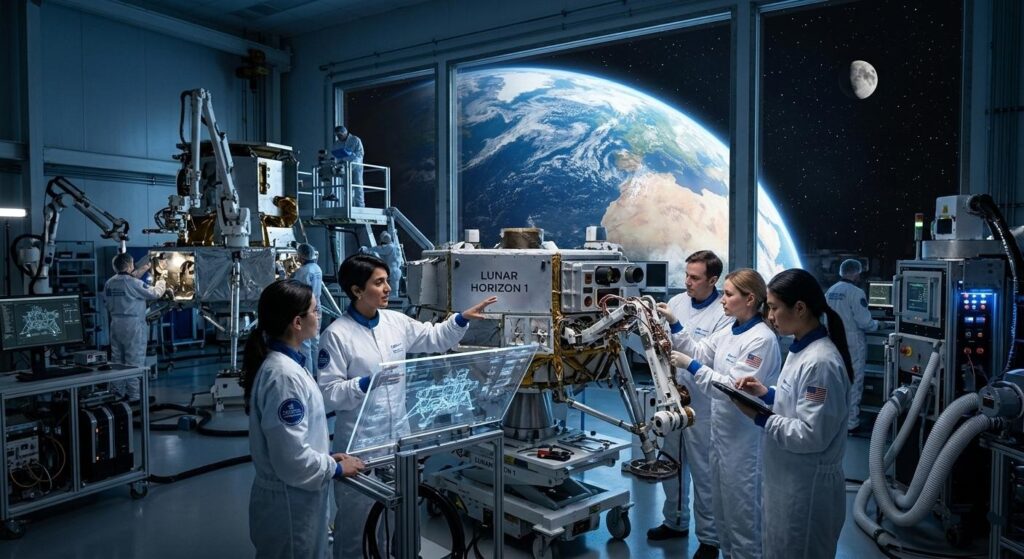
Space exploration is entering a new era, driven by private companies and international organizations.
Organizations like NASA and companies such as SpaceX are developing technologies for space travel and planetary exploration.
Future possibilities of space technology and exploration are:
- Human missions to Mars
- Space tourism
- Mining resources from asteroids
- Advanced satellite networks
These advancements could open new opportunities for scientific discovery and economic growth.
6. Autonomous vehicles
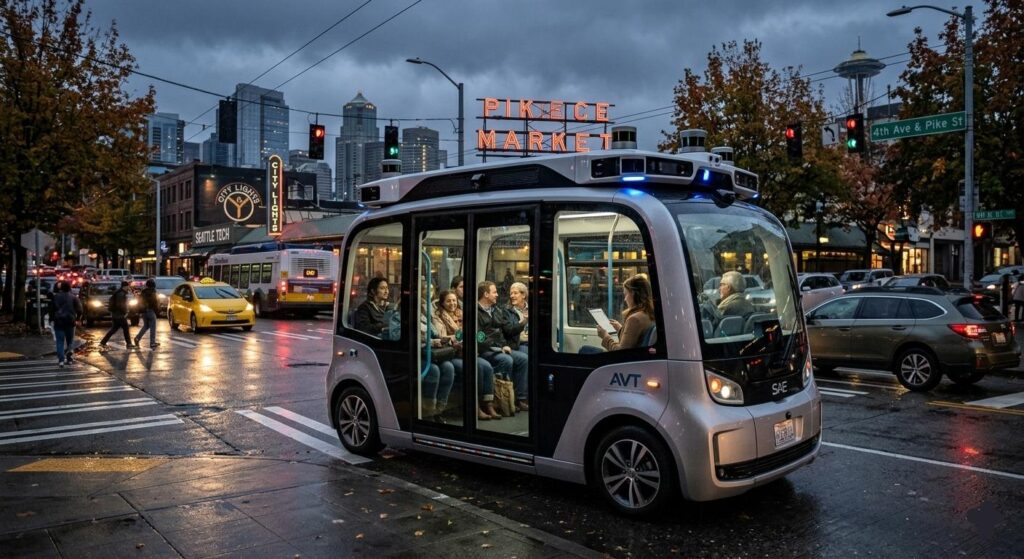
Self-driving vehicles are expected to revolutionize transportation.
Companies such as Tesla and Waymo are developing autonomous driving systems that use AI, sensors, and cameras.
How will they impact society
They will affect society in the following ways:-
- Reduced road accidents
- Efficient transportation systems
- Lower transportation costs
- Improved mobility for elderly and disabled people
By 2035, autonomous cars may become common on roads worldwide.
7. Internet of Things (IoT)
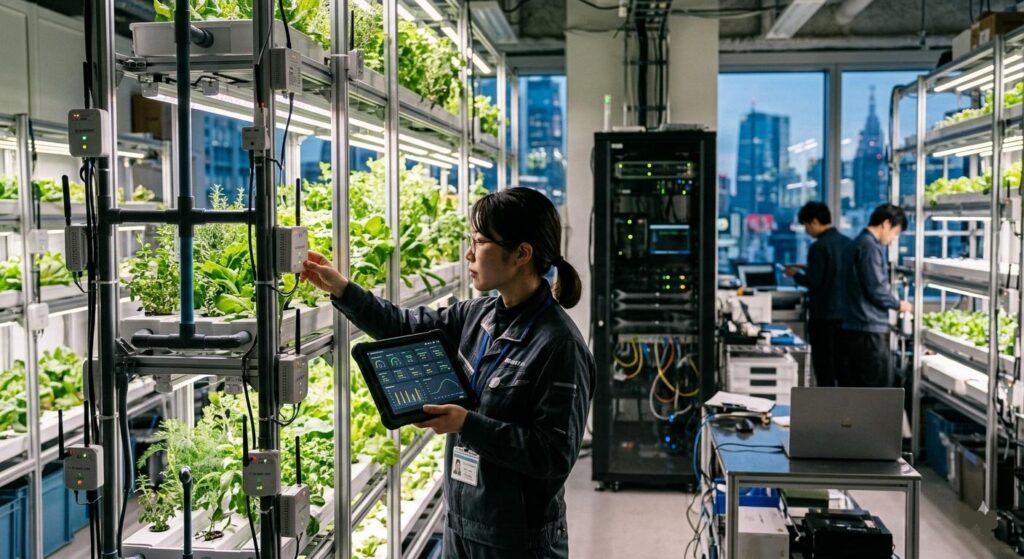
The Internet of Things refers to a network of connected devices that communicate and share data through the internet.
Examples include smart homes, wearable health devices, and connected appliances.
Following are some of the applications of IoT:-
- Smart homes
- Smart cities
- Industrial automation
- Health monitoring systems
IoT technology will make everyday life more convenient and efficient.
8. Advanced robotics
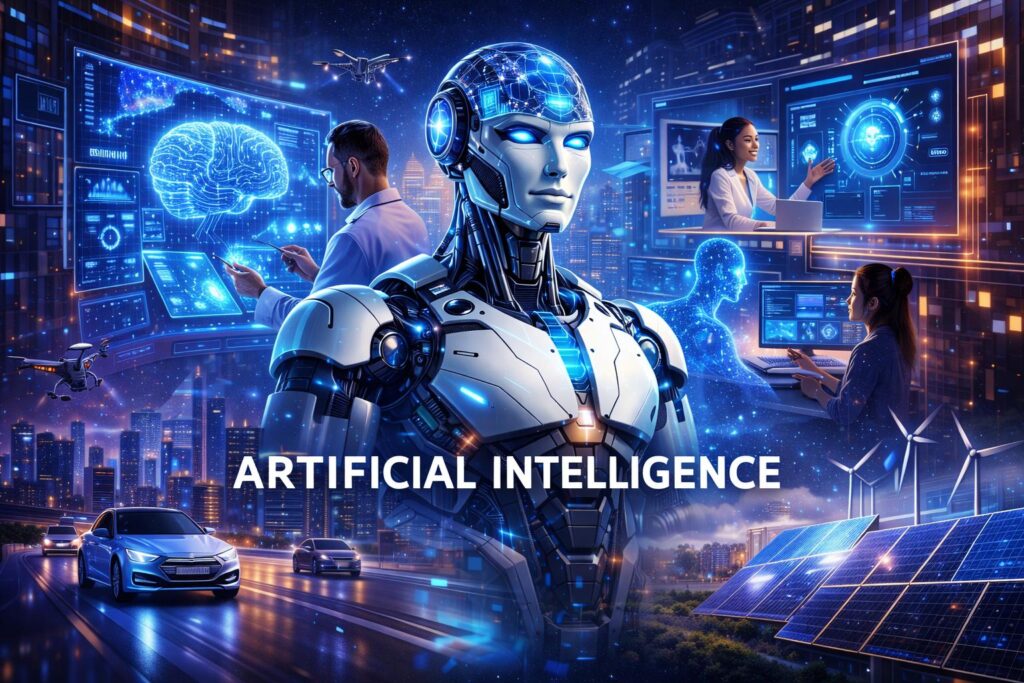
Robotics is advancing rapidly through the integration of artificial intelligence.
Robots are already used in manufacturing, healthcare, and space exploration.
Future uses of advanced robotics are:
- Surgical robots in hospitals
- Disaster rescue robots
- Household service robots
- Industrial automation
By 2035, robots may assist humans in many routine and complex tasks.
9. Augmented reality and virtual reality
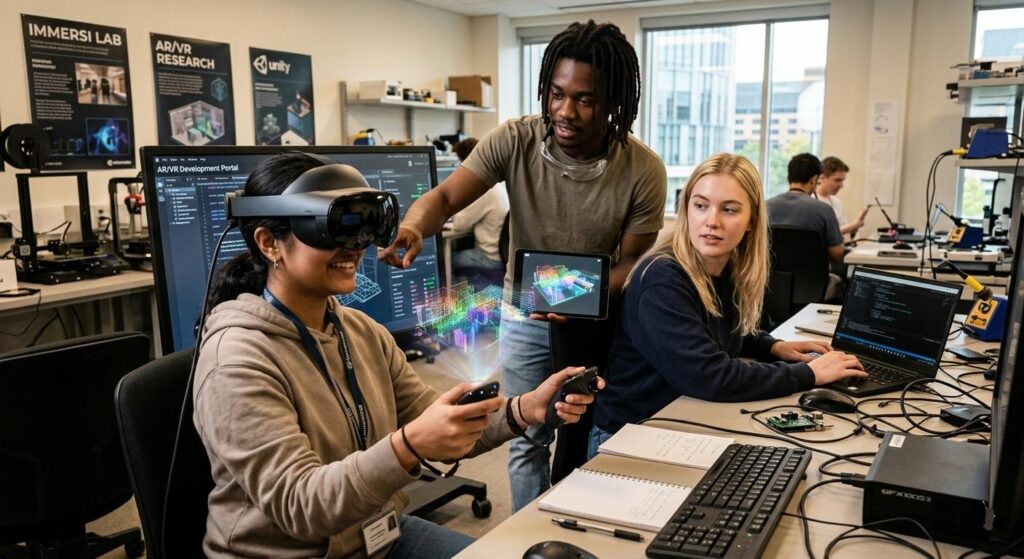
Augmented Reality and Virtual Reality are transforming entertainment, education, and training.
These technologies create immersive digital experiences that blend virtual environments with the real world.
Applications of augmented reality and virtual reality are:
- Virtual classrooms
- Medical training simulations
- Gaming and entertainment
- Remote collaboration
Companies such as Meta Platforms are heavily investing in these technologies.
10. 3D Printing
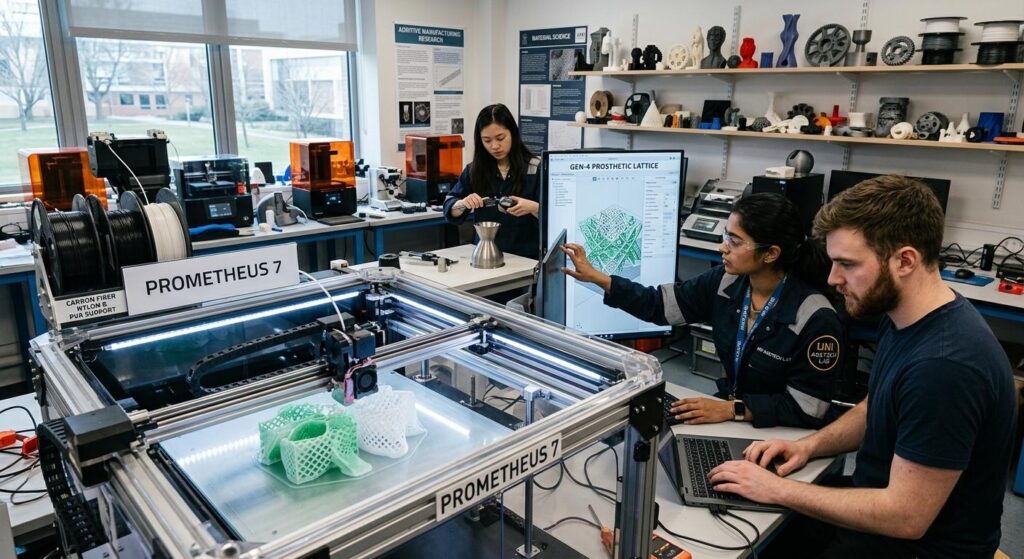
3D printing enables objects to be fabricated layer by layer from digital designs.
This technology is already used in manufacturing, healthcare, and construction.
The future potential of 3D Printing is:
- Printing human organs for transplants
- Building houses quickly and cheaply
- Customized consumer products
- Manufacturing spare parts on demand
3D printing could transform production and supply chains worldwide.
The future of technology
The technologies discussed above are not merely innovations. They are powerful tools that can address global challenges and improve human life. Visionary entrepreneurs such as Elon Musk and Bill Gates believe that emerging technologies will define the future of civilization.
However, technological progress also requires responsible development, ethical considerations, and global cooperation.
Conclusion
Emerging technologies are shaping a future that is more connected, intelligent, and innovative than ever before. Artificial intelligence, quantum computing, biotechnology, renewable energy, and robotics are among the powerful forces that will transform our world by 2035.
As scientists, engineers, and innovators continue pushing the boundaries of knowledge, these technologies will open new possibilities for solving global problems and improving the quality of human life.
The future may arrive faster than we expect, and understanding these emerging technologies will help us prepare for the incredible changes ahead.
Frequently Asked Questions
1. What are emerging technologies?
Emerging technologies are innovations that are still developing but have the potential to impact society in the future. Technologies such as Artificial Intelligence, Quantum Computing, and Internet of Things are considered emerging technologies because they are rapidly evolving and transforming industries.
2. Why are emerging technologies important for the future?
Emerging technologies are important because they can solve complex global problems, improve efficiency, and create new opportunities for economic growth. For example, advances in Biotechnology may lead to cures for diseases, while renewable energy technologies can help reduce environmental pollution.
3. Which technology will have the biggest impact by 2035?
Many experts believe that Artificial Intelligence will have the greatest impact by 2035. AI is already being used in healthcare, education, transportation, and finance. As AI systems become more advanced, they may assist humans in solving scientific problems and improving everyday life.
4. How will technology affect jobs in the future?
Technological advancements will change the nature of many jobs. Automation and robotics may replace some repetitive tasks, but they will also create new career opportunities in fields such as data science, cybersecurity, and robotics engineering. Experts such as Bill Gates have emphasized the importance of learning new digital skills for the future workforce.
5. Can emerging technologies help solve climate change?
Emerging technologies can play a significant role in addressing climate change. Innovations in renewable energy, smart grids, and energy storage systems can reduce carbon emissions and promote sustainable development. Organizations such as NASA also employ advanced technologies to monitor Earth’s climate and environmental changes.
6. What industries will benefit the most from emerging technologies?
Several industries are expected to benefit greatly from emerging technologies, including healthcare, transportation, manufacturing, education, and space exploration. Technologies such as 3D Printing and Robotics are already transforming manufacturing and medical procedures.
7. How can students prepare for future technologies?
Students can prepare for future technologies by developing skills in science, technology, engineering, and mathematics (STEM). Learning about areas such as programming, artificial intelligence, and data analysis can help them adapt to the rapidly changing technological landscape.
8. What industries will be most affected by emerging technologies by 2035?
Many industries will experience major changes due to emerging technologies. Healthcare, transportation, manufacturing, education, and space exploration are expected to benefit significantly from innovations such as Artificial Intelligence, Quantum Computing, and advanced robotics. These technologies can improve efficiency, reduce costs, and enable new solutions to global challenges.
9. Are emerging technologies safe for society?
Emerging technologies offer many benefits, but they also raise important ethical and safety concerns. Governments, researchers, and technology companies must ensure the responsible development and regulation of technology. Experts such as Bill Gates have emphasized the importance of balancing innovation with ethical considerations.
10. How can people prepare for a technology-driven future?
People can prepare for the future by learning digital skills, staying informed about new technologies, and adapting to continuous change. Understanding fields such as programming, data science, and emerging innovations can help individuals remain competitive in a rapidly evolving technological world.