
Many people enjoy eating, but some must avoid certain foods due to food allergies. Food allergies are becoming increasingly common worldwide, affecting both children and adults. Although many people believe they are allergic to certain foods, true food allergies are less common than food intolerances. Understanding the difference can help prevent unnecessary dietary restrictions and, in severe cases, save lives. While some think their stomachs cannot tolerate certain foods or drinks, research shows that only a small number of people actually suffer from true food allergies.
Understanding the causes of food allergies, recognizing the signs, and knowing the appropriate treatment can save lives.
Food allergies are a growing public health concern worldwide. From mild rashes to severe anaphylaxis, allergic reactions can vary greatly depending on the immune system’s sensitivity and the type of food allergen involved.
Why Do Some People Have Food Allergies?
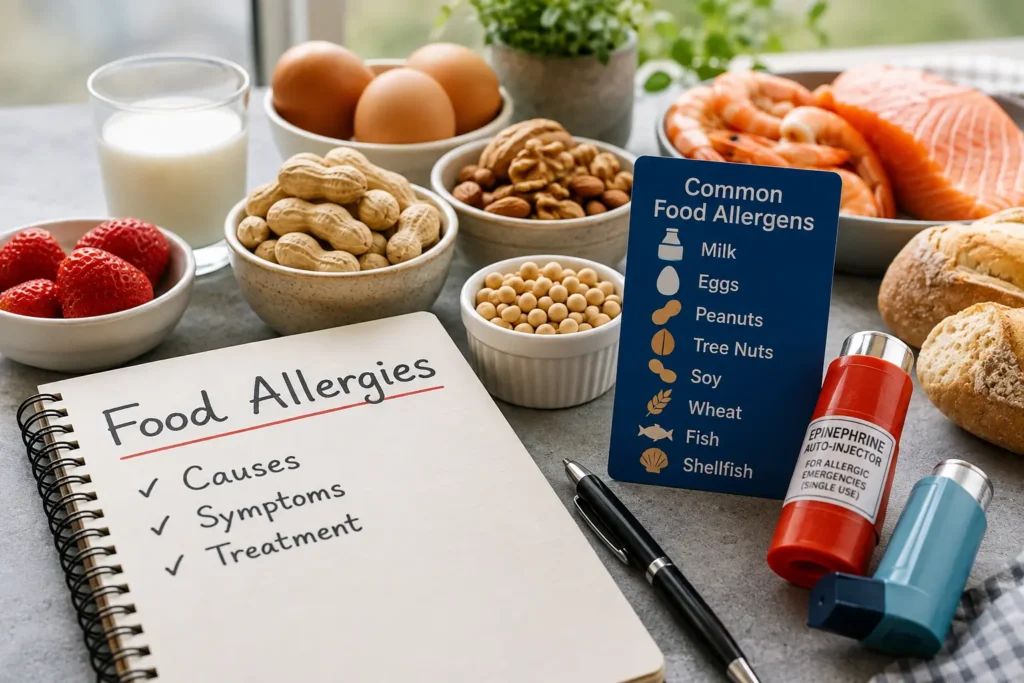
EpiPen and allergy medicine placed beside food for preparedness
A report published in a U.S. medical journal explains different opinions about why food allergies develop. Most experts agree that the immune system is the primary cause. Food allergens are proteins present in certain foods. The immune system mistakenly believes these proteins are harmful. When the protein enters the body, the immune system creates an antibody called Immunoglobulin E (IgE).
This antibody targets the protein, and when the food is eaten again, IgE triggers the release of chemicals like histamine. Histamine normally plays a helpful role in immunity, but in this case, it leads to visible food allergy symptoms such as rashes, swelling, or breathing problems. This explains why eating food once may not cause an allergy, but eating it again can trigger a reaction.
Explore How 20 Small But Powerful Habits That Can Transform Your Entire Life
Food Intolerance vs Allergy: Why Can’t the Stomach Digest Some Foods?
Did You Know?
Food allergies affect millions of people worldwide.
Peanuts and tree nuts are among the most common causes of severe allergic reactions.
Some allergies disappear with age, while others last a lifetime.
Even tiny amounts of an allergen can trigger serious reactions in some people.
Some people confuse food intolerance with allergy. Intolerance relates to the digestive system, not the immune system. No antibodies are produced. Instead, intolerance happens when the stomach lacks certain enzymes or cannot process specific chemicals in foods. For example, lactose intolerance occurs when the body lacks the enzyme needed to digest lactose.
Symptoms of intolerance may appear after the first time a food is eaten, unlike food allergies, which often show up after repeated exposure. While intolerances may cause discomfort, food allergens can cause life-threatening reactions.
It’s important to understand the difference between food allergy and food intolerance, as the two require very different management and treatment approaches.
Food Allergy Symptoms You Should Know

The following are common food allergy symptoms:
- Swelling of the throat, eyes, or tongue
- Skin rashes on the body
- Itching
- Nausea
- Vomiting
- Diarrhea
Severe cases may cause low blood pressure, dizziness, fainting, or even cardiac arrest. These symptoms can become deadly quickly.
Emergency Warning: Anaphylaxis
A severe allergic reaction called anaphylaxis can develop within minutes of eating a trigger food. Symptoms may include difficulty breathing, swelling of the throat, wheezing, a rapid drop in blood pressure, dizziness, or loss of consciousness. Anaphylaxis is a medical emergency and requires immediate treatment with epinephrine and urgent medical attention.
For ways to communicate symptoms effectively and describe reactions in clear English, check out Common Errors in English
Common Food Allergens That Trigger Reactions
Read Food Labels Carefully
People with food allergies should:
- Read ingredient labels every time they buy packaged food.
- Ask about ingredients when eating at restaurants.
- Prevent cross-contamination during food preparation.
- Carry emergency medication if prescribed.
Although any food can trigger allergies, the most common food allergens include:
- Milk
- Eggs
- Fish
- Shellfish (prawns, shrimps, crabs)
- Peanuts
- Soybeans
- Tree nuts (almonds, walnuts, pistachios, cashews)
- Wheat
Food allergies affect all ages, from toddlers to adults. If parents are allergic to certain foods, children are more likely to develop the same sensitivities. Interestingly, many children outgrow allergies as they get older.
Food intolerance, however, is usually less severe but still uncomfortable. Typical symptoms include:
- Stomach pain
- Bloating
- Flatulence
- Fatigue
- Diarrhea
- Headache
- Agitation
Difficult-to-digest foods often include milk, wheat, gluten, alcohol, and yeast.
The most common food allergens are responsible for nearly 90% of allergic reactions worldwide, making awareness and early testing essential for prevention.
How Are Food Allergies Diagnosed?
Diagnosing a food allergy requires more than simply noticing symptoms after eating a particular food. Because food allergy symptoms can resemble those of food intolerance or other medical conditions, it is important to consult a healthcare professional for an accurate diagnosis. An allergist will review your symptoms, medical history, and test results before confirming whether you have a food allergy.
1. Medical History
The first step is a detailed discussion of your medical history. Your doctor may ask:
- Which food triggered the reaction?
- How soon did the symptoms appear after eating?
- What symptoms did you experience?
- How long did the reaction last?
- Have you had similar reactions before?
- Do you or your family have a history of allergies, asthma, or eczema?
This information helps identify possible food allergens and guides further testing.
2. Physical Examination
Your doctor will perform a physical examination to look for signs of allergic reactions, such as skin rashes, hives, swelling, or eczema. They may also check for other conditions that could be causing your symptoms.
3. Skin Prick Test
A skin prick test is one of the most common methods used to diagnose food allergies. During the test, a tiny amount of a suspected food allergen is placed on the skin, usually on the forearm or back. The skin is then gently pricked so the allergen can enter the surface.
If a raised, itchy bump (called a wheal) develops within about 15–20 minutes, it may indicate an allergic sensitivity. However, a positive result alone does not confirm a food allergy and must be interpreted alongside your medical history and other tests.
4. Blood Test (Specific IgE Test)
A blood test measures the level of Immunoglobulin E (IgE) antibodies that react to specific food allergens. Higher levels of allergen-specific IgE may suggest an allergy. Still, the results should always be interpreted by a healthcare professional, as they do not always predict the severity of a reaction.
5. Oral Food Challenge
An oral food challenge is considered the most accurate test for diagnosing food allergies. During this procedure, the patient eats gradually increasing amounts of the suspected food under the close supervision of an allergy specialist in a medical facility.
Because there is a risk of a serious allergic reaction, this test should never be attempted at home. Medical staff are prepared to provide immediate treatment if symptoms occur.
Why Professional Diagnosis Matters
Self-diagnosing a food allergy can lead to unnecessary dietary restrictions, nutritional deficiencies, or overlooking another medical condition. If you experience symptoms after eating certain foods, seek advice from a qualified healthcare professional. An accurate diagnosis ensures you receive the right treatment and can safely manage your diet while reducing the risk of severe allergic reactions.
Treatment and Precautions for Food Allergies
If you suspect a food allergy, consult a healthcare professional. Self-diagnosing or removing foods without medical advice may deprive your body of essential nutrients.
For severe food allergy treatment, complete avoidance of the allergen is the safest option. Some people with mild allergies may tolerate small amounts, but reactions vary widely. In cases of severe allergies, even tiny amounts of certain foods can cause life-threatening reactions, making strict avoidance essential.
Maintaining a Healthy Diet with Food Allergies

Having a food allergy does not mean you have to compromise on good nutrition. With careful planning and informed food choices, you can enjoy a healthy, balanced diet while safely avoiding foods that trigger allergic reactions. The key is to replace allergenic foods with nutritious alternatives so that your body continues to receive all the essential nutrients it needs.
Eat a Balanced Diet
A balanced diet provides the energy and nutrients your body needs for growth, repair, and overall health. Try to include a variety of foods from different food groups, such as whole grains, fruits, vegetables, lean proteins, and healthy fats. Eliminating an allergenic food without replacing its nutrients may lead to deficiencies over time.
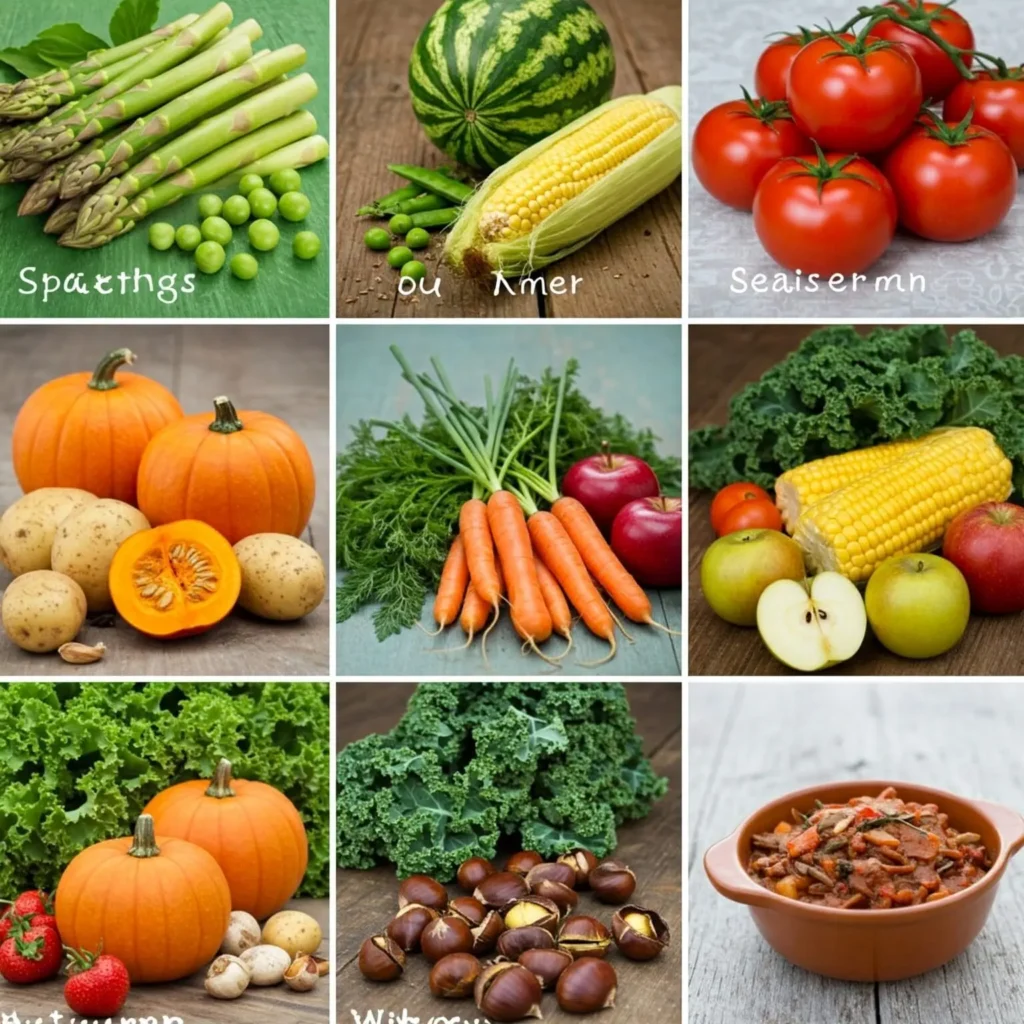
Include Plenty of Fruits
Fresh fruits are rich in vitamins, minerals, fiber, and antioxidants that support overall health and help strengthen the body’s natural defenses. Unless you are allergic to a specific fruit, aim to include a variety of seasonal fruits in your daily diet. They make excellent snacks and healthy alternatives to processed sweets.
Eat a Variety of Vegetables
Vegetables provide essential nutrients such as vitamin A, vitamin C, folate, potassium, and dietary fiber. Dark leafy greens, carrots, broccoli, bell peppers, and other colorful vegetables contribute to a well-balanced diet and support a healthy immune system. Eating a wide range of vegetables also helps ensure you receive different vitamins and minerals.
Choose Alternative Protein Sources
If you are allergic to common protein-rich foods such as milk, eggs, soy, fish, or peanuts, there are many nutritious alternatives available. Depending on your specific allergy, suitable protein sources may include:
- Beans and lentils
- Chickpeas
- Peas
- Quinoa
- Lean poultry and meat
- Seeds such as sunflower or pumpkin seeds (if tolerated)
- Dairy-free fortified products for those with milk allergies
Choose alternatives that fit your dietary needs and always check ingredient labels to avoid hidden allergens.
Read Food Labels Carefully
Many packaged foods contain hidden allergens or may be processed in facilities that handle allergenic ingredients. Always read food labels carefully, even if you have purchased the product before, as manufacturers can change ingredients without notice. When eating out, inform restaurant staff about your allergy and ask how the food is prepared to reduce the risk of accidental exposure.
Consult a Registered Dietitian
If you need to eliminate one or more foods from your diet, consulting a registered dietitian can be extremely helpful. A dietitian can create a personalized meal plan that meets your nutritional needs while avoiding allergens. They can also recommend suitable food substitutes and help prevent nutrient deficiencies, especially for children, pregnant women, and individuals with multiple food allergies.
A Healthy Lifestyle Supports Overall Well-being
Although a healthy diet cannot cure food allergies, it plays an important role in maintaining overall health and supporting the immune system. By making informed food choices, reading labels carefully, and following medical advice, people with food allergies can enjoy a nutritious diet and lead active, healthy lives.
Fruits are good for health. Fresh fruits and vegetables are an important part of a balanced diet for people managing food allergies, provided they are not individual allergens.
Fresh fruits and a balanced diet can help maintain overall health for those managing food allergies. While diet alone cannot cure allergies, eating nutrient-rich foods strengthens the immune system and supports long-term wellness.
Fresh fruits and vegetables provide important vitamins, minerals, and antioxidants that support overall health. However, people should avoid any fruit or food that triggers an allergic reaction.
Tips to Prevent Food Allergy Reactions
- Read food labels carefully.
- Inform restaurants about your allergy.
- Carry prescribed emergency medication.
- Teach children about their allergies.
- Avoid sharing food.
- Wear a medical alert bracelet if recommended.
Share this guide with friends and family, as awareness can help prevent accidental exposure and promote healthier eating habits.
Conclusion
In conclusion, food allergies can affect anyone, from children to adults. Recognizing the causes of food allergies, identifying common food allergy symptoms, and following proper food allergy treatment plans can make the condition manageable.
Whether it’s avoiding common food allergens or seeking medical advice, taking the right precautions ensures a healthier and safer life.
Explore more interesting reads in our Random category.
Medical Disclaimer: This article is intended for educational purposes only and should not replace professional medical advice, diagnosis, or treatment. If you suspect a food allergy or experience severe symptoms, seek medical attention immediately.
Frequently Asked Questions
1. What is a food allergy?
A food allergy is an immune system reaction that occurs when the body mistakenly identifies a food protein as harmful. The immune system releases chemicals like histamine, causing symptoms that can range from mild to life-threatening.
2. How is a food allergy different from food intolerance?
Food allergies involve the immune system and can be severe or even fatal. Food intolerance affects the digestive system and usually causes discomfort, such as bloating or stomach pain, but does not involve antibodies or life-threatening reactions.
3. What are the most common food allergy symptoms?
Common food allergy symptoms include:
- Skin rashes or hives
- Swelling of the lips, tongue, throat, or eyes
- Itching
- Nausea, vomiting, or diarrhea
- Breathing difficulties
Severe reactions may lead to dizziness, low blood pressure, or loss of consciousness.
4. What foods most commonly cause allergic reactions?
The most common food allergens include:
- Milk
- Eggs
- Peanuts
- Tree nuts
- Fish
- Shellfish
- Soy
- Wheat
These foods are responsible for the majority of allergic reactions worldwide.
5. Can food allergies develop later in life?
Yes. While many food allergies begin in childhood, adults can also develop allergies even if they previously tolerated the food without problems.
6. Can children outgrow food allergies?
Many children outgrow allergies to foods like milk, eggs, or wheat as they grow older. However, allergies to peanuts, tree nuts, fish, and shellfish are more likely to persist into adulthood.
7. How are food allergies diagnosed?
Food allergies are diagnosed by healthcare professionals using medical history, skin prick tests, blood tests, and, in some cases, supervised food challenges. Self-diagnosis is not recommended.
8. What should I do if I suspect a food allergy?
If you suspect a food allergy, consult a doctor or allergy specialist. Avoiding foods without professional guidance may lead to nutritional deficiencies or misdiagnosis.
9. What is the best treatment for food allergies?
The most effective treatment is complete avoidance of the allergen. In severe cases, doctors may prescribe emergency medication such as epinephrine. Some patients may also benefit from medical desensitization under supervision.
10. Can food allergies be cured?
Currently, there is no permanent cure for food allergies. However, proper management, avoidance strategies, and medical guidance allow most people to live safe and healthy lives.
11. Are food allergies dangerous?
Yes. Severe food allergies can cause anaphylaxis, a life-threatening reaction that requires immediate medical attention. Early recognition and preparedness are crucial.
12. Can diet help reduce food allergy symptoms?
A balanced, nutrient-rich diet supports overall immune health but does not cure food allergies. Careful food selection and label reading are essential for prevention.