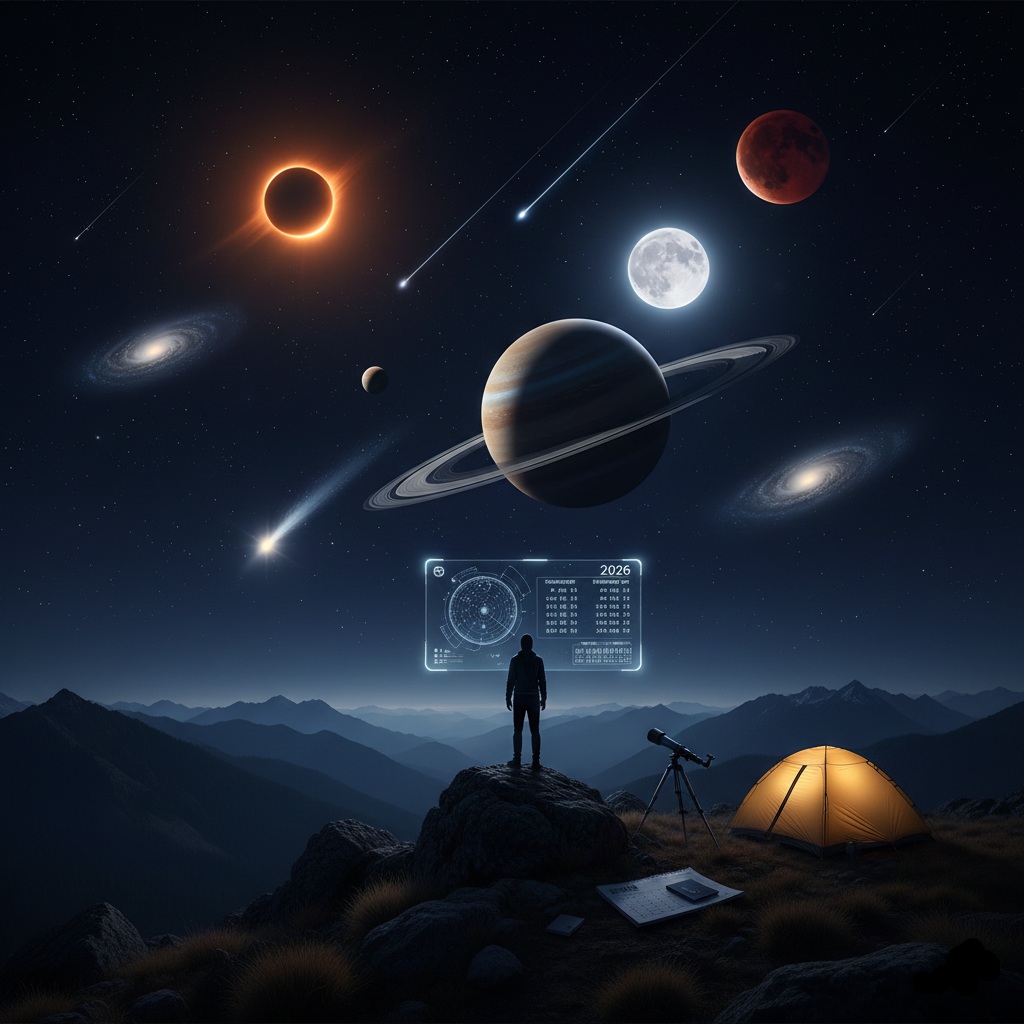
Discover the most important cosmic events: in 2026, including solar and lunar eclipses, supermoons, blue moons, meteor showers, and rare planetary alignments and celestial wonders, a complete skywatcher’s guide for astronomy lovers.
✍️ By Study2Inspire
Updated for 2026 Skywatching Enthusiasts
Why 2026 Is a Remarkable Year for Cosmic Events?
The universe is never silent. It speaks through light, motion, and awe-inspiring celestial events. For anyone who looks up with curiosity, 2026 will be an unforgettable year for cosmic events.
From dramatic solar and lunar eclipses to breathtaking meteor showers, rare planetary alignments, glowing supermoons, and even a bright comet, the night sky in 2026 will offer one cosmic spectacle after another.
Whether you are:
A student of astronomy
A casual stargazer
A science teacher
Or simply someone who loves the beauty of the night sky
This guide will help you understand, track, and enjoy the most important astronomical events of 2026.
Let’s begin our journey beyond Earth into the cosmos
In Cosmic Events – January 2026 is A Bright Beginning to the Year
January 10, 2026 – Jupiter at Opposition
Jupiter is Closest to Earth
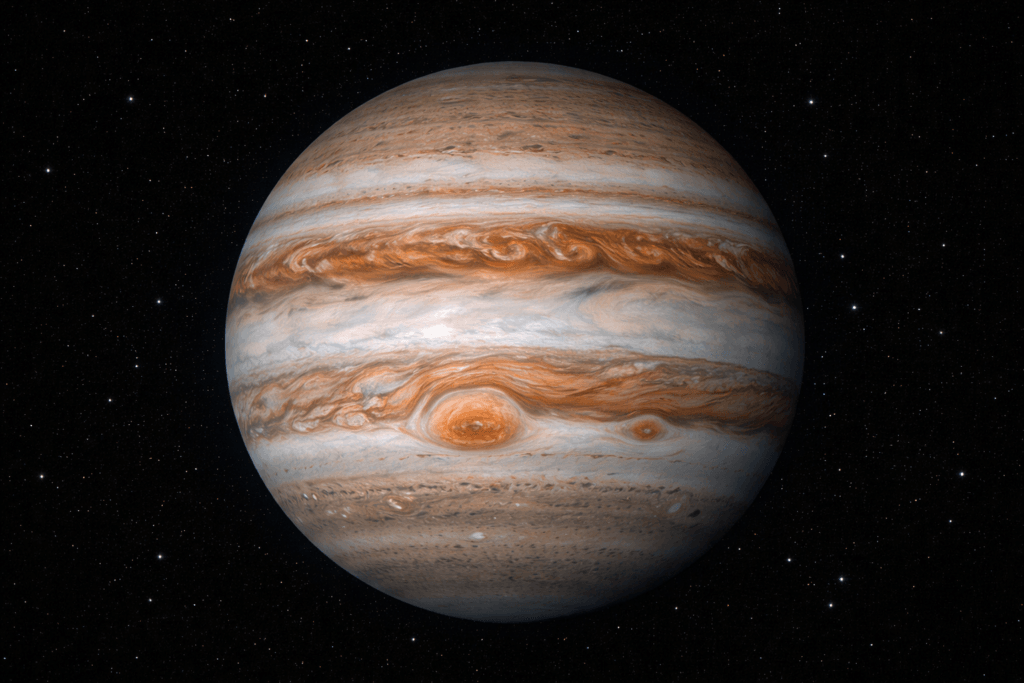
Jupiter, the giant of our solar system, will reach opposition on January 10. This means:
* Earth will lie directly between Jupiter and the Sun
* Jupiter will be closest to Earth
* It will shine at its maximum brightness
* Visible all night long
Even a small telescope will reveal:
* Jupiter’s cloud bands
* It’s four large moons: Io, Europa, Ganymede, and Callisto
Best for beginners in astronomy.
January 3, 2026 – Supermoon
First Supermoon of the Year
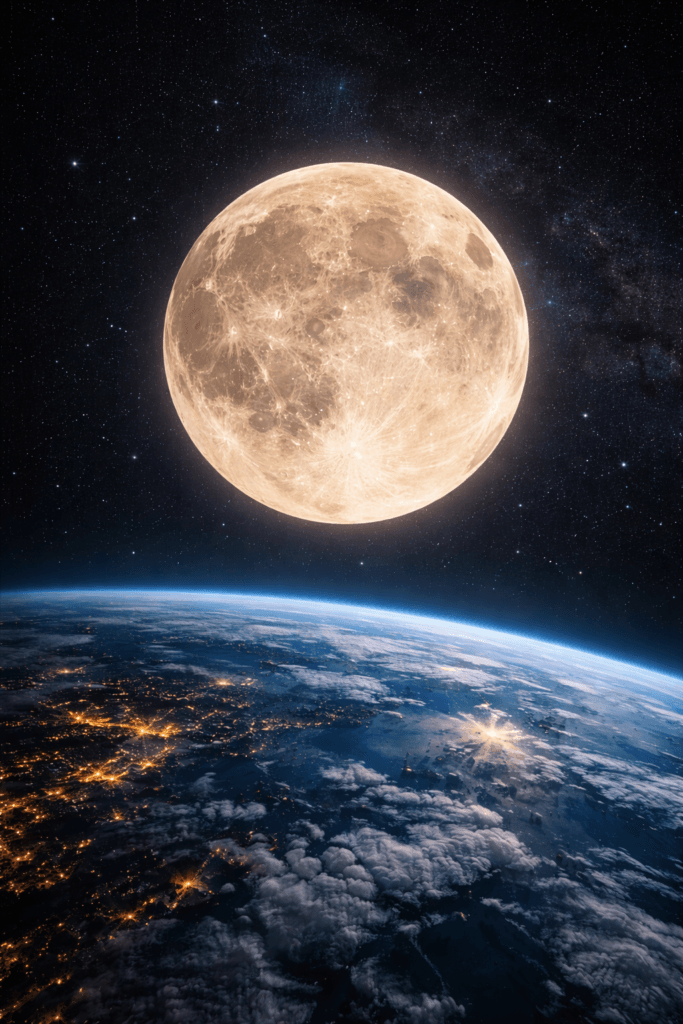
A supermoon occurs when a full Moon coincides with its closest approach to Earth (perigee).
Expect the Moon to appear:
* Larger than usual
* Brighter than a normal full Moon
* Emotionally captivating
Cosmic Events – February 2026 – Eclipses and Planetary Wonders
February 17, 2026 – Annular Solar Eclipse
The “Ring of Fire” Eclipse
This spectacular eclipse will turn the Sun into a glowing ring.
* Total annularity visible in Antarctica
* Partial eclipse visible in Africa and South America
* Not visible in Pakistan
Did you know?
An annular eclipse happens when the Moon is slightly farther from Earth and cannot fully cover the Sun.
Late February 2026 – Six-Planet Alignment
A Rare Planetary Line-Up
Six planets will appear in the sky at the same time:
* Mercury
* Venus
* Saturn
* Jupiter
* Uranus
* Neptune
Uranus and Neptune require binoculars or a telescope.
This event is a stunning demonstration of planetary motion and celestial geometry.
Cosmic Events – March 2026 – The Blood Moon
March 3, 2026 – Total Lunar Eclipse
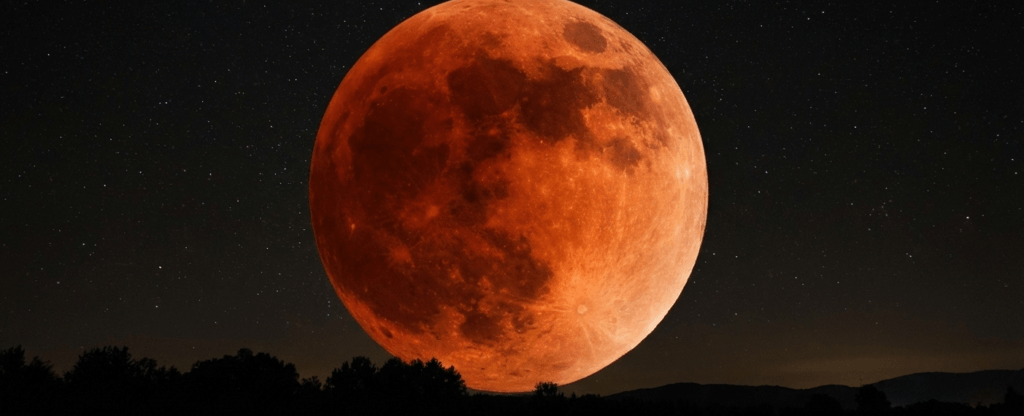
The Blood Moon Phenomenon
During this total lunar eclipse:
* The Moon will pass completely into Earth’s shadow
* It will turn deep red or coppery
* Total visibility: Americas, East Asia, Australia
* Partial visibility: Pakistan
This dramatic color shift is caused by Earth’s atmosphere bending sunlight, a powerful reminder of our planet’s presence in space.
Cosmic Events – April 2026 – Meteors and a Shining Comet
April 22-23, 2026 – Lyrid Meteor Shower
Ancient Meteors from a Comet’s Tail
* One of the oldest known meteor showers
* Up to 15–20 meteors per hour
* Favorable Moon conditions
Lyrids are known for occasional bright fireballs.
April 25, 2026 – Comet C/2025 R3 at Peak Brightness
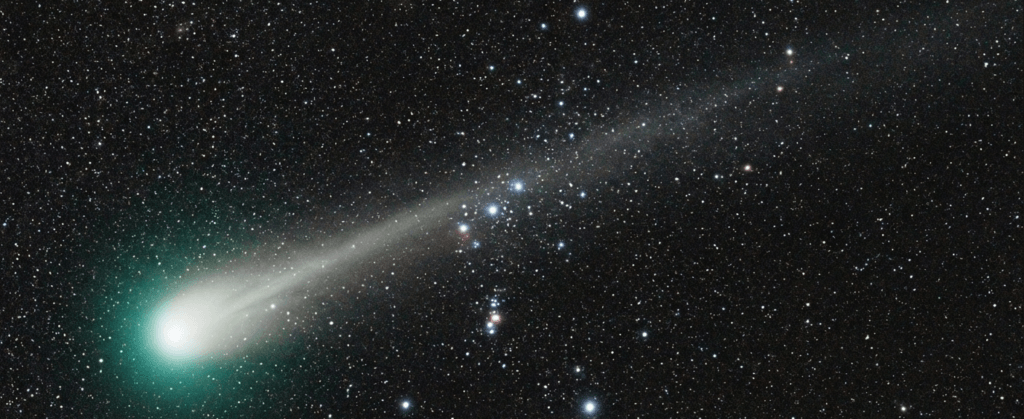
Comet C/2025 R3 is expected to be one of the brightest comets of 2026, with a glowing tail that may even be visible to the naked eye under dark skies.
A Celestial Visitor
This long-period comet may:
* Develop a visible glowing tail
* Be seen with binoculars, or even the naked eye, under dark skies
Comets are unpredictable, which makes them even more exciting!
Cosmic Events – May 2026 – The Blue Moon
May 31, 2026 – Blue Moon
Second Full Moon in One Month
The Blood Moon of 2026 will be one of the most dramatic lunar eclipses of the decade, turning the Moon deep red as it passes through Earth’s shadow.
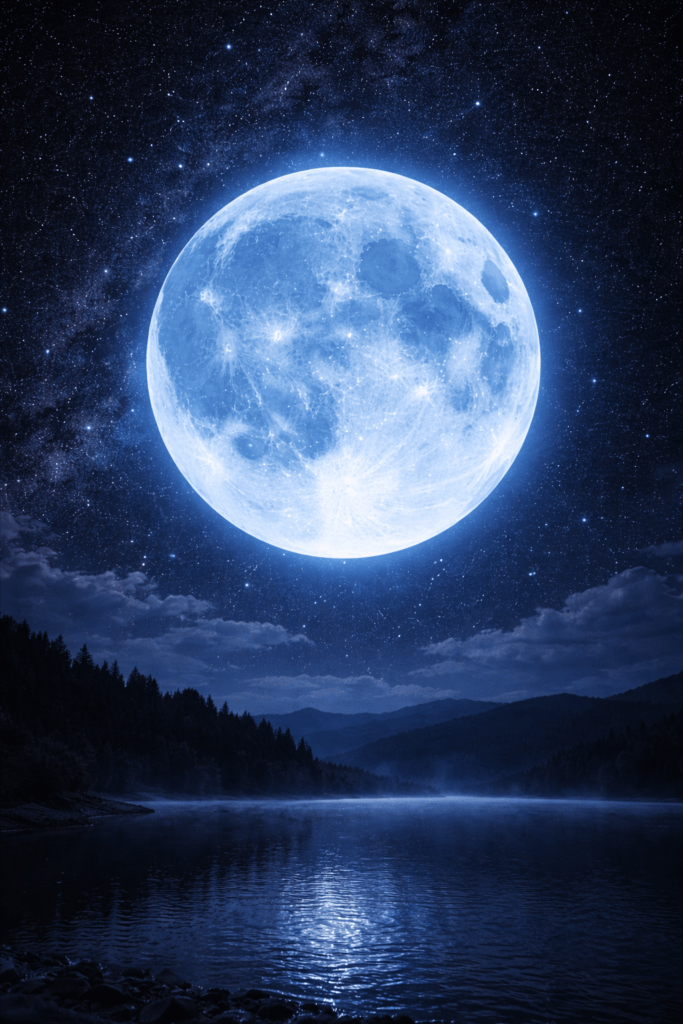
A Blue Moon occurs when:
* Two full Moons happen within one calendar month
Despite the name:
* The Moon will not appear blue
* It will appear slightly smaller as it is farther from Earth (apogee)
Cosmic Events – June 2026 – A Beautiful Planetary Encounter
June 9, 2026 – Venus and Jupiter Conjunction
The Sky’s Brightest Pair
Venus and Jupiter will appear extremely close in the sky.
* One of the most beautiful naked-eye events
* A perfect opportunity for photography
* A reminder that distance in space can deceive the eye
Cosmic Events – August 2026 – A Once in a Lifetime Month
August 12, 2026 – A Day of Rare Cosmic Alignment
Few dates in astronomy are this extraordinary.
On August 12, 2026, the sky will offer:
* A planetary alignment
* A solar eclipse
* The peak of the Perseid meteor shower
Events like this occur only a few times in a lifetime.
August 12, 2026 – Total Solar Eclipse
One of the Greatest Eclipses of the Decade
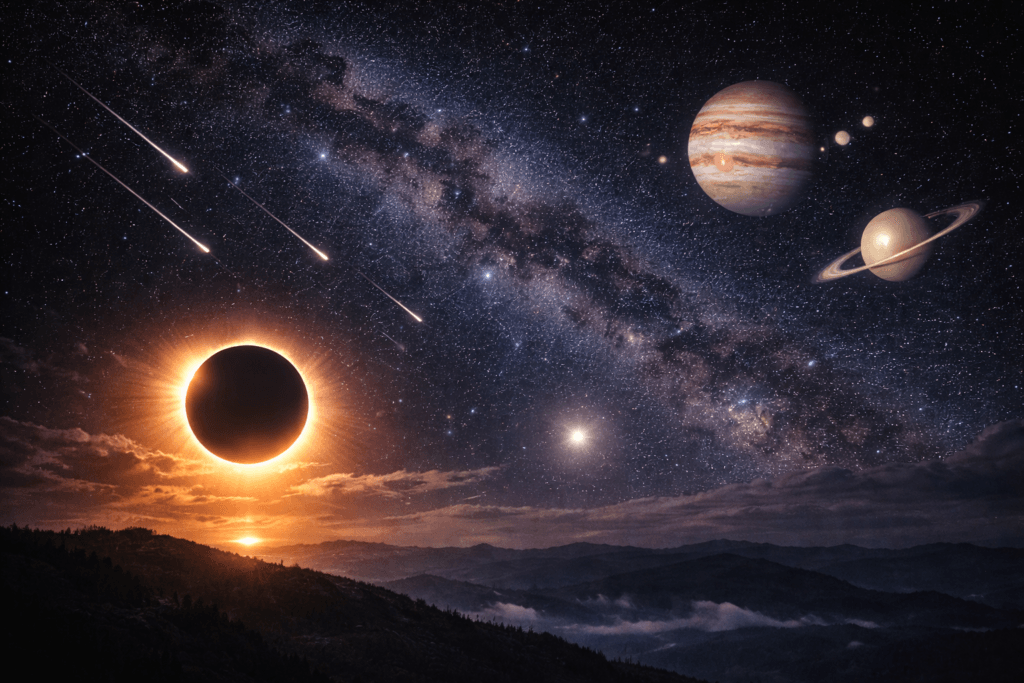
The total solar eclipse of 2026 will be a rare and awe-inspiring event, coinciding with a planetary alignment visible in select regions.
* Total eclipse path: Greenland, Iceland, Northern Spain
* Partial eclipse across Europe
* Not visible in Pakistan
Witnessing a total solar eclipse is often described as a life-changing experience.
August 12-13, 2026 – Perseid Meteor Shower
The Most Popular Meteor Shower of the Year
* Up to 60–80 meteors per hour
* Bright, fast, and dramatic
* Ideal for summer stargazing
Cosmic Events – September 2026 – Venus at Maximum Brilliance
September 22, 2026 – Venus Shines Brightest
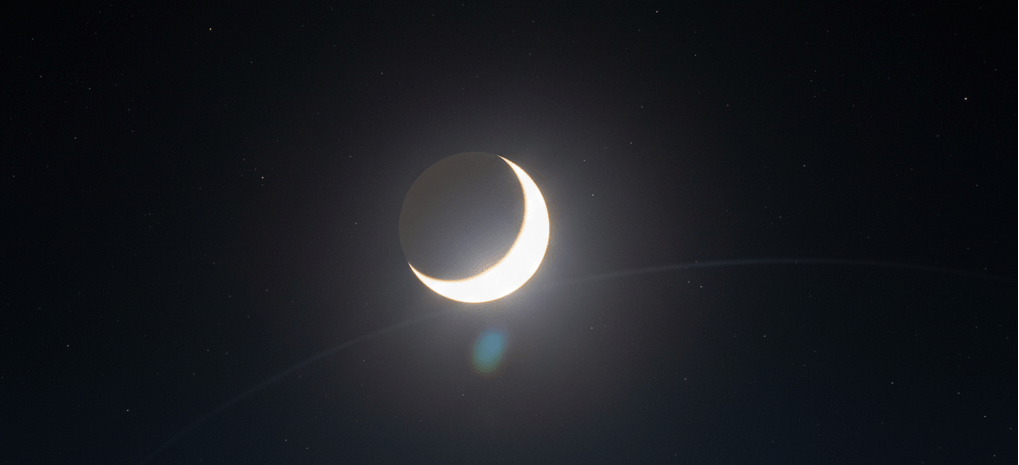
On September 22, 2026, Venus reaches its maximum brilliance, outshining every star and becoming the most visible celestial object in the evening or morning sky.
The Morning and Evening Star
Venus will reach its greatest brilliance, outshining everything except the Moon.
* Easily visible before sunrise or after sunset
* Known historically as a symbol of beauty and guidance
Cosmic Events – October 2026 – Saturn at Its Best
October 4, 2026 – Saturn at Opposition
* Rings are clearly visible through a telescope
* Bright and well-placed for observation
* A favorite among amateur astronomers
Saturn never fails to inspire awe.
Cosmic Events – November 2026 – Planetary Motion on Display
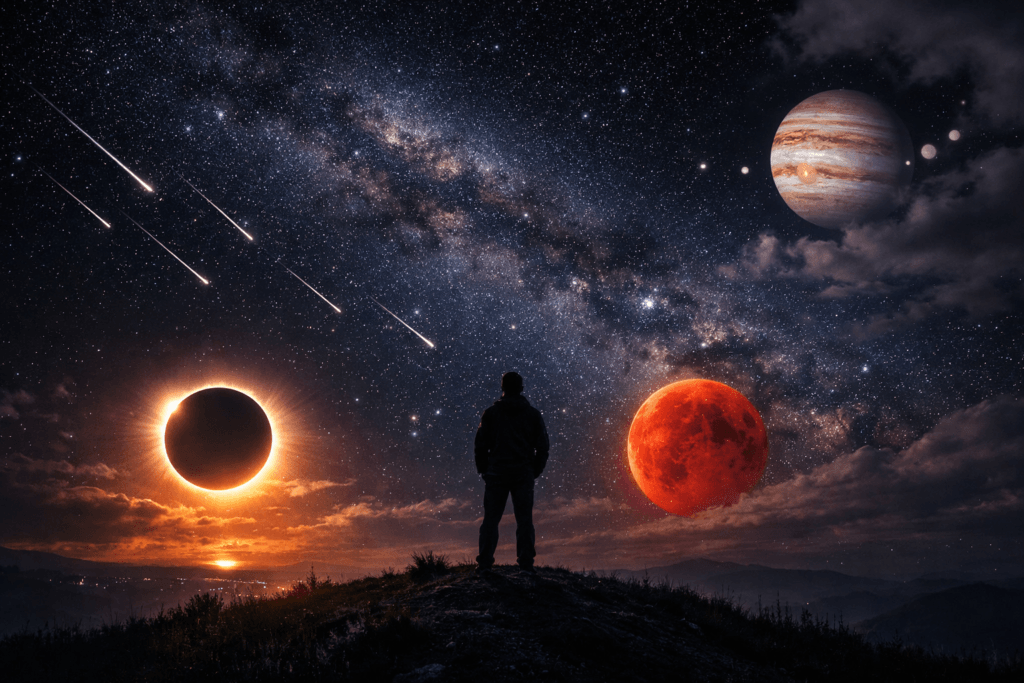
November 22, 2026 – Mars and Jupiter Conjunction
* Mars and Jupiter will appear close together
* Highlights the difference in planetary speeds
* A great educational opportunity for students
November 24, 2026 – Supermoon
The second supermoon of the year is a bright, bold, and beautiful sight.
Cosmic Events – December 2026 – A Grand Finale
December 13-14, 2026 – Geminid Meteor Shower
The Best Meteor Shower of the Year
* Up to 100 meteors per hour
* Slow, colorful, and long-lasting
* Excellent viewing conditions
Many astronomers consider the Geminids superior to the Perseids.
December 23, 2026 – Largest Supermoon of the Year
* Closest full Moon of 2026
* The brightest and largest Moon of the year
Cosmic Events – Supermoon Dates in 2026
* January 3
* November 24
* December 23 (Largest)
Final Thoughts – Look Up, Stay Curious
The sky of 2026 reminds us of something profound:
Taking a moment to look up at the night sky in 2026 reminds us of our small place in the universe and inspires curiosity, learning, and wonder.
We are small but we are part of something unimaginably vast.
You don’t need expensive equipment or advanced knowledge.
All you need is:
* curiosity
* patience
* and the willingness to look up
At Study2Inspire, we believe that science should inspire wonder, not fear, and the universe is the greatest teacher of all.
Clear skies, and happy stargazing.
Frequently Asked Questions (FAQ)
What are the major cosmic events to watch for in 2026?
In 2026, stargazers can look forward to a variety of events, including:
- Total and annular solar eclipses
- Total lunar eclipses (Blood Moons)
- Supermoons and Blue Moons
- Meteor showers like the Perseids and Geminids
- Rare planetary alignments and bright comets
- Maximum brilliance of Venus and Jupiter oppositions
When will the first supermoon of 2026 occur?
The first supermoon of 2026 will occur on January 3, 2026. The Moon will appear larger and brighter than a typical full Moon due to its close approach to Earth (perigee).
What is a Blood Moon and when will it happen in 2026?
A Blood Moon is a total lunar eclipse where the Moon turns deep red or coppery as it passes through Earth’s shadow. In 2026, this will occur on March 3, 2026, visible in the Americas, East Asia, and Australia, with partial visibility in Pakistan.
Which solar eclipses are visible in 2026?
- February 17, 2026, Annular solar eclipse (“Ring of Fire”), visible in Antarctica, Africa, and South America.
- August 12, 2026, Total solar eclipse, visible along paths in Greenland, Iceland, and Northern Spain.
What is special about the planetary alignments in 2026?
2026 will feature multiple rare alignments:
- In late February, six planets (Mercury, Venus, Saturn, Jupiter, Uranus, Neptune) in the sky simultaneously.
- August 12, Planetary alignment coinciding with a total solar eclipse and Perseid meteor shower, a once-in-a-lifetime combination.
Which meteor showers should I watch in 2026?
- April 22-23, Lyrid Meteor Shower (15-20 meteors per hour)
- August 12-13, Perseid Meteor Shower (up to 60-80 meteors per hour)
- December 13-14, Geminid Meteor Shower (up to 100 meteors per hour), considered the best of the year.
When is the Blue Moon in 2026?
The Blue Moon will occur on May 31, 2026, representing the second full Moon within a single calendar month. Despite its name, it will not appear blue.
What celestial events involve Venus in 2026?
- June 9, 2026, the Venus and Jupiter conjunction, the sky’s brightest pair, is perfect for naked-eye observation.
- September 22, 2026, Venus reaches maximum brilliance, outshining all stars except the Moon.
What are the supermoon dates in 2026?
The supermoons in 2026 will occur on:
- January 3
- November 24
- December 23 – Largest and brightest supermoon of the year
How can beginners enjoy these events without expensive equipment?
Most 2026 events can be observed with the naked eye or binoculars. Beginners should:
- Check local visibility maps for eclipses and alignments
- Find dark-sky locations away from city lights
- Track meteor showers during peak hours
- Use a small telescope for Jupiter, Saturn, and comet viewing
Why is 2026 considered a remarkable year for skywatching?
2026 combines rare events, planetary alignments, multiple eclipses, and bright comets, making it one of the most visually spectacular years for astronomy enthusiasts and casual stargazers alike.